
EPCs for Landlords
Landlords have clear legal responsibilities when it comes to Energy Performance Certificates (EPCs). An EPC is required for most rental properties and plays a central role in compliance with Minimum Energy Efficiency Standards (MEES).
An EPC not only confirms whether a property can be legally let, but also highlights how energy efficient the building is and where improvements may be needed. Failing to comply with EPC or MEES regulations can delay tenancies, restrict letting activity, or result in enforcement action.
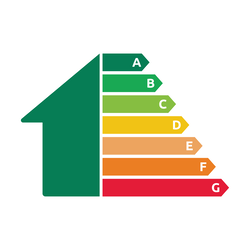
Landlord EPC Responsibilities
As a landlord, you must ensure that:
- A valid EPC is in place before marketing a property
- The property meets the minimum EPC standard
- Tenants are provided with a copy of the EPC
In most cases, rental properties must achieve EPC band E or above to be legally let.
MEES and Enforcement
If a rental property does not meet MEES requirements:
- It may be unlawful to grant a new tenancy
- Financial penalties may apply
- The property may be listed on a public enforcement register
While exemptions do exist, these are limited and must be formally registered with supporting evidence.
EPCs for Existing Tenancies
Even where a tenant is already in place, landlords must consider EPC compliance when:
- Renewing or extending a tenancy
- Re-marketing a property
- Carrying out significant alterations or upgrades
EPC Assessments for Landlords
We regularly support landlords with:
- Initial EPC assessments
- Advice on improving EPC ratings
- Reassessments following improvement works
Landlord EPC FAQs
<section class="faq">
  <details>
    <summary>Do landlords need an EPC for every rental property?</summary>
    <p>Yes. Most rental properties require a valid EPC before they can be legally marketed or let.</p>
  </details>

  <details>
    <summary>What is the minimum EPC rating for landlords?</summary>
    <p>In most cases, rental properties must achieve a minimum rating of EPC band E to comply with MEES regulations.</p>
  </details>

  <details>
    <summary>Can I let a property with an EPC rating below E?</summary>
    <p>Generally no. Properties rated F or G are classed as sub-standard unless a valid exemption has been registered.</p>
  </details>

  <details>
    <summary>Do I need a new EPC for existing tenants?</summary>
    <p>An EPC is valid for 10 years, but you may need to review compliance when renewing tenancies or making major changes to the property.</p>
  </details>

  <details>
    <summary>What penalties apply for non-compliance?</summary>
    <p>Letting a non-compliant property can result in financial penalties and enforcement action by the local authority.</p>
  </details>

  <details>
    <summary>Should I improve my EPC rating even if I meet the minimum?</summary>
    <p>Improving a property’s EPC rating can reduce energy costs, improve tenant appeal, and future-proof against tightening regulations.</p>
  </details>
</section>