
EPCs for Commercial Properties
An Energy Performance Certificate (EPC) is a legal requirement when selling, letting, or marketing a commercial property. This applies to most non-domestic buildings, including offices, shops, industrial units and mixed-use premises.
Commercial EPCs differ from domestic certificates and are assessed using different methodologies. They provide building owners, landlords and tenants with a clear indication of a property’s energy efficiency, alongside practical recommendations for improvement. For landlords, EPC compliance also links directly to Minimum Energy Efficiency Standards (MEES).
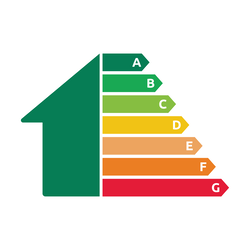
When a Commercial EPC Is Required
A commercial EPC is required when:
- Selling a commercial building
- Letting or re-letting commercial premises
- Marketing a property for sale or lease
The EPC must be available at the point of marketing and provided to prospective buyers or tenants.
Commercial EPC Ratings and Compliance
Commercial EPCs include:
- An energy efficiency rating
- A recommendations report
- Guidance on improving building performance
Most commercial properties must meet minimum energy efficiency standards to be legally let. Properties that fall below the required rating may require improvement works or a registered exemption.
Types of Commercial Properties Covered
We regularly assess:
- Shops and retail units
- Offices
- Industrial and warehouse buildings
- Mixed-use commercial premises
Commercial EPC FAQs
<section class="faq">
  <details>
    <summary>Do commercial EPCs have the same rules as domestic EPCs?</summary>
    <p>No. Commercial EPCs use a different assessment method and apply to non-domestic buildings such as offices, shops and warehouses.</p>
  </details>

  <details>
    <summary>How long is a commercial EPC valid?</summary>
    <p>A commercial EPC is valid for 10 years, unless significant changes are made to the building that could affect its energy performance.</p>
  </details>

  <details>
    <summary>Is an EPC required to market a commercial property?</summary>
    <p>Yes. A valid EPC must be in place before a commercial property is marketed for sale or lease.</p>
  </details>

  <details>
    <summary>What happens if my commercial property has a low EPC rating?</summary>
    <p>Properties below the minimum standard may need improvement works before they can be legally let, unless a valid exemption applies. Currently the minimum rating is an E, and expected that this will increase to a C as soon as 2027 or 2028.</p>
  </details>

  <details>
    <summary>Do tenants need access to the EPC?</summary>
    <p>Yes. The EPC must be made available to prospective tenants and purchasers as part of the marketing process.</p>
  </details>

  <details>
    <summary>Should I get an EPC before buying a commercial building?</summary>
    <p>Yes. An EPC can highlight compliance issues early and help assess potential upgrade costs before purchase.</p>
  </details>
</section>